 Register
 Log In
Middle East Bungalows
Developer collaborations with luxury brands are creating high-end properties offering premium services in the Mi...
Learn More
The real estate market in the Middle East is projected to experience sustained growth, especially in major cities such as Dubai, Abu Dhabi, Riyadh, and Doha. Countries in the region are working to reduce their reliance on oil by investing in sectors like tourism, technology, and infrastructure. Popular locations such as Palm Jumeirah, Downtown Dubai, and Abu Dhabi's Saadiyat Island continue to attract interest. From ultra-luxury beachfront towers in Dubai to Saudi Arabia’s NEOM and cityscapes of Doha to Cairo’s New Administrative Capital, the market continues to provide productive ground for developers and investors.
Urban areas like Dubai in the UAE, Riyadh in Saudi Arabia, and Doha in Qatar are not just seeing an increase in population, they're witnessing a shift in preferences. The influx of expatriates and high-net-worth individuals is not just driving growth, it's shaping the market. The increasing demand for energy-efficient buildings and eco-friendly communities is not just a trend, it's a reflection of the market's evolving needs.
Egypt, one of the largest and most populous Arab countries, is not just weathering currency devaluations and inflationary pressures, its property sector is demonstrating remarkable resilience. This resilience is not just a sign of stability, it's a testament to the market's strength.
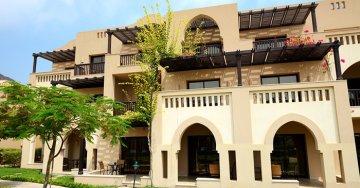
Developer collaborations with luxury brands are creating high-end properties offering premium services in the Mi...
Learn More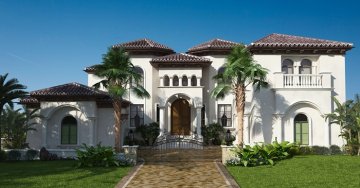
The Middle East's real estate market is projected to continue expanding into 2025. The UAE, particularly Dubai a...
Learn More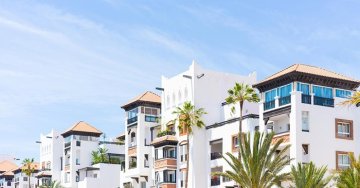
While luxury properties often dominate the headlines, the demand for affordable housing and flats is on the rise...
Learn More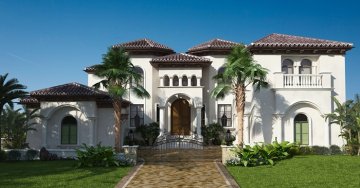
Across the diverse holiday home markets, several emerging trends promise to influence the real estate trajectori...
Learn More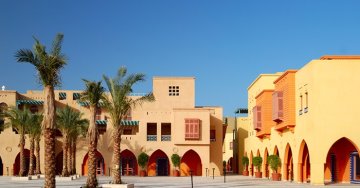
The real estate landscape in the Middle East includes mainly Saudi Arabia, Qatar, and Egypt, which have particul...
Learn More
Explore Middle East residential property as an alternative asset class. Learn how cross-border real estate investment...
Read More| Date | Time | Headline |
|---|---|---|
| 12 Oct 2026 | 00:00 | Gulf Single-Story Surge: UK Capital Targets Ultra-Luxury Middle East Bungalows |
| 09 Oct 2026 | 00:00 | Gulf Sovereign Funds Pivot to Single-Story Luxury Villa Schemes |
| 27 Sep 2026 | 18:01 | Gulf Investors Turn to Single-Story Luxury Bungalows Amid Villa Oversupply |
| 27 Sep 2026 | 00:00 | Gulf Investors Pivot to Single-Story Luxury Villas Amid Urban Density Push |
| 24 Sep 2026 | 00:00 | UK Investors Target Muscat Bungalows Amid Oman's New Foreign Ownership Laws |
| 18 Sep 2026 | 00:00 | UK Investors Target Muscat Bungalows Amid Gulf Single-Story Villa Resurgence |
| 13 Sep 2026 | 12:00 | Dubai Villa Demand Spills into Prime Middle East Bungalows as UK Capital Shifts |
| 12 Sep 2026 | 18:00 | UK Investors Target Muscat Villa Boom as Oman Eases Expat Land Rules |
Simple habits prevent expensive mistakes. Use these checks before you trust a caller, message, broker, or investment pitch.