 Register
 Log In

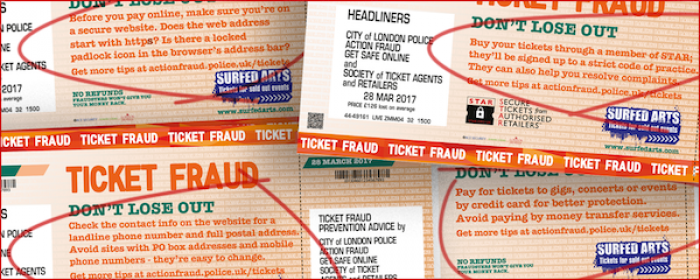
Surfed Arts: the spoof ticket fraud sale
Recently, a new regulation has been introduced to restrict bot buying of event tickets, leading to higher sales on illegitimate platforms. Many reports state that festivals or sporting events sellers defrauded buyers or sold counterfeits.
It is a scam related to event tickets where people buy secondary tickets from various social platforms or unfamiliar, unreliable sites.
Surfed arts should not have any tickets; if they offer any, users should always buy them from official vendors. Over £17m was lost to such activities over the past three years, where the victims were mostly men and women in their 20s, where bank transfer was the most common way to sell tickets.
Most victims said the payment method led to the loss; many also reported the long-term impact of such an experience. Most such reports are related to secondary markets and links to social media or independent web pages.
How Does It Work?
Thousands of people try to buy tickets from authorised websites during a sports or festival event, and many fraudulent sites offer the same. These are illegal secondary providers, and visitors are redirected to such pages through localised social media adverts that target the people living in the area close to the concert/ event venue.
The platforms or the forums post pictures of the event with thousands of fans of popular stars like Ed Sheeran or Adele, showing them visiting the city and meeting or posing with the fans, which motivates the users to click on the link, which redirects to surfed arts websites where they are informed that all tickets have been sold or you cannot buy tickets. Also, it advises visitors to protect themselves from bogus sellers.
However, the users tend to look for alternative options or get emails from the sellers. People searching for surfed art are often redirected to Facebook posts that may contain bogus schemes. If they visit through the links on social media, they are redirected to a page that seeks payment through risky, illegitimate secondary sites.
How To Protect Yourself?
-
Buy tickets from the venue box office, promoter, official agent, or reputable exchange. Avoid buying through an individual dealer, but if you do, it is best advised to pay through a credit card and avoid direct money transfer or cash payment; instead, use secure payment websites.
-
Get all the related contact details from the seller's site before buying the tickets, which should have a landline number and a postal address. Do not buy through web pages with only the PO Box or mobile numbers.
-
Avoid sites that do not provide proper addresses and landline numbers.
-
If paying on a website, use secure links and check the padlock (locked) icon on the browser address bar.
-
If you suspect fraud or have lost money, report it to the authorities.